Current condition
Identify the exact component revisions, fit requirements, incoming condition and approved mounting method. Record permitted loading/support surfaces and current tooling or process observations.
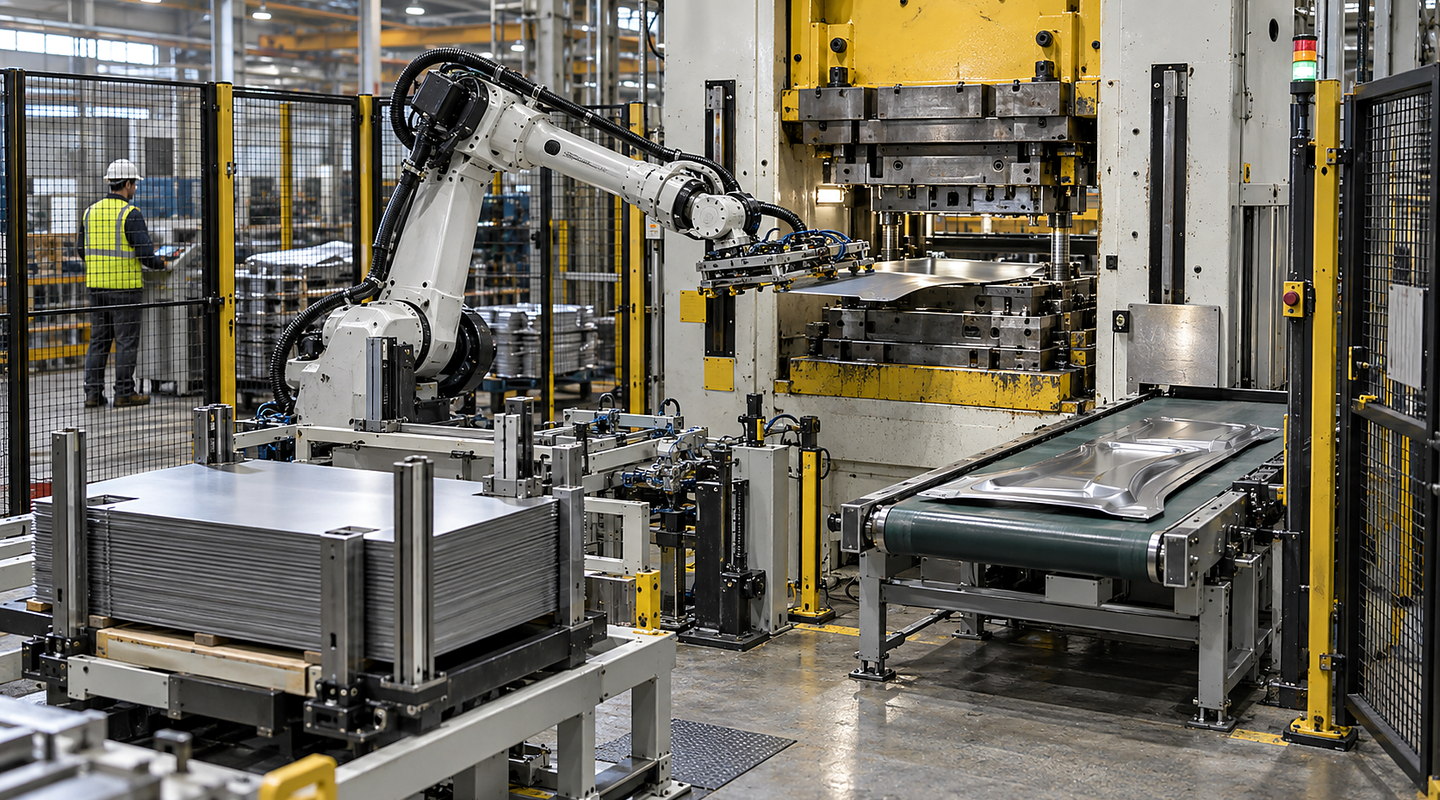
Define bearing, shaft and housing variants, dimensions, fits, tolerances and mounting requirements for representative bearing assembly feasibility trials.
Define the exact bearing variant and relevant shaft/housing dimensions, fits and tolerances for each assembly. Include permitted loading and support surfaces, incoming condition and the approved mounting method. Use representative variants and components close to drawing limits in feasibility work.
Bring the drawing and method brief to the route comparison. A nominal bore-size range cannot by itself establish tooling access, alignment, load path or compatibility; the actual component arrangement must be assessed.
Plan robotic bearing assembly around your parts, process, cycle time, tooling, recovery and acceptance criteria. Discuss the highest-risk feasibility questions with Oxford Industrial Automation. Use this guide to resolve part, product and process variation for robotic bearing insertion & assembly before it limits the final system.
Discuss your application
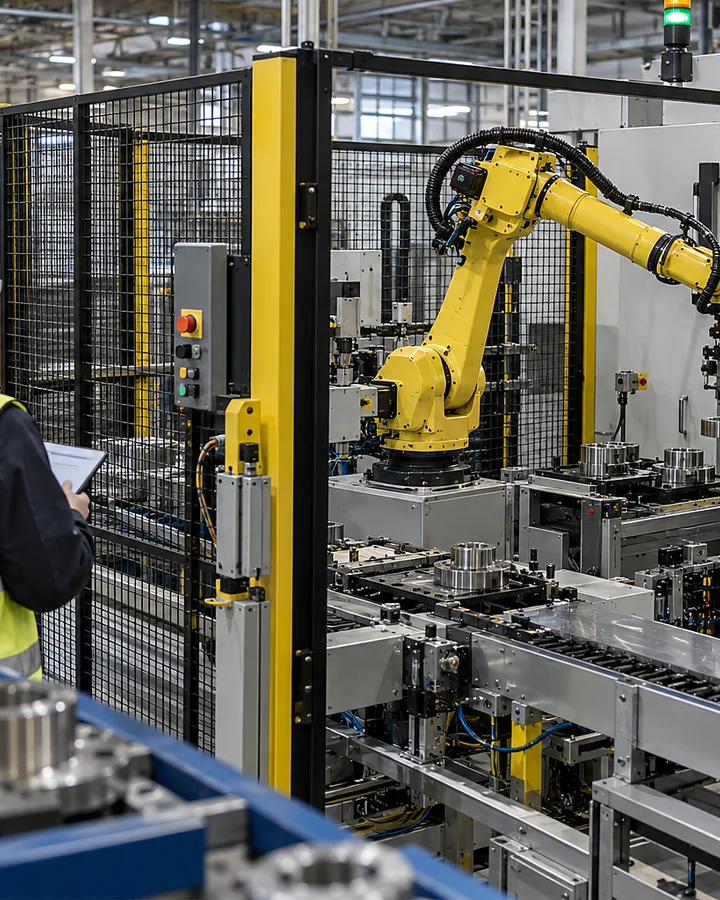
Identify the exact component revisions, fit requirements, incoming condition and approved mounting method. Record permitted loading/support surfaces and current tooling or process observations.
Include each intended bearing and mating-part combination, drawing-limit variation, specified incoming conditions and changeover needs. Record untested variants and requirements needing confirmation.
Show how variation affects handling, alignment, fixture support, tooling access and process evidence. Use the approved method to decide what needs a further trial or separate finished-assembly check.
Record the exact bearing and shaft/housing variants, dimensions, fits, tolerances and revisions. Include product-owner mounting instructions and the surfaces permitted to apply and support the assembly load.
Supply components in their actual incoming condition and packaging. Describe orientation, specified lubrication, seals/shields and features that handling must preserve, including normal variation.
State the complete feeding, checking, loading, insertion, unloading and recording sequence. Identify the required production pattern and the part or format changes included in the trial.
Assess alignment across component datums, fixture location and transfer, with the support required by the approved method. Define process signals and their association with the relevant assembly.
Include wrong parts, empty picks, dropped components, incomplete insertion and interrupted cycles in the planned cases. Name the authorised route for isolation of uncertain units, review and any permitted rework.
Test representative variants and drawing-limit cases against the approved criteria. Retain component/tool revisions, original process records and the relevant inspection or functional results without extending conclusions beyond tested conditions.