Requirement
State the approved bearing mounting method, allowed loading/support surfaces and required finished result. Name the owners of assembly approval, process criteria, separate checks and abnormal-unit disposition.
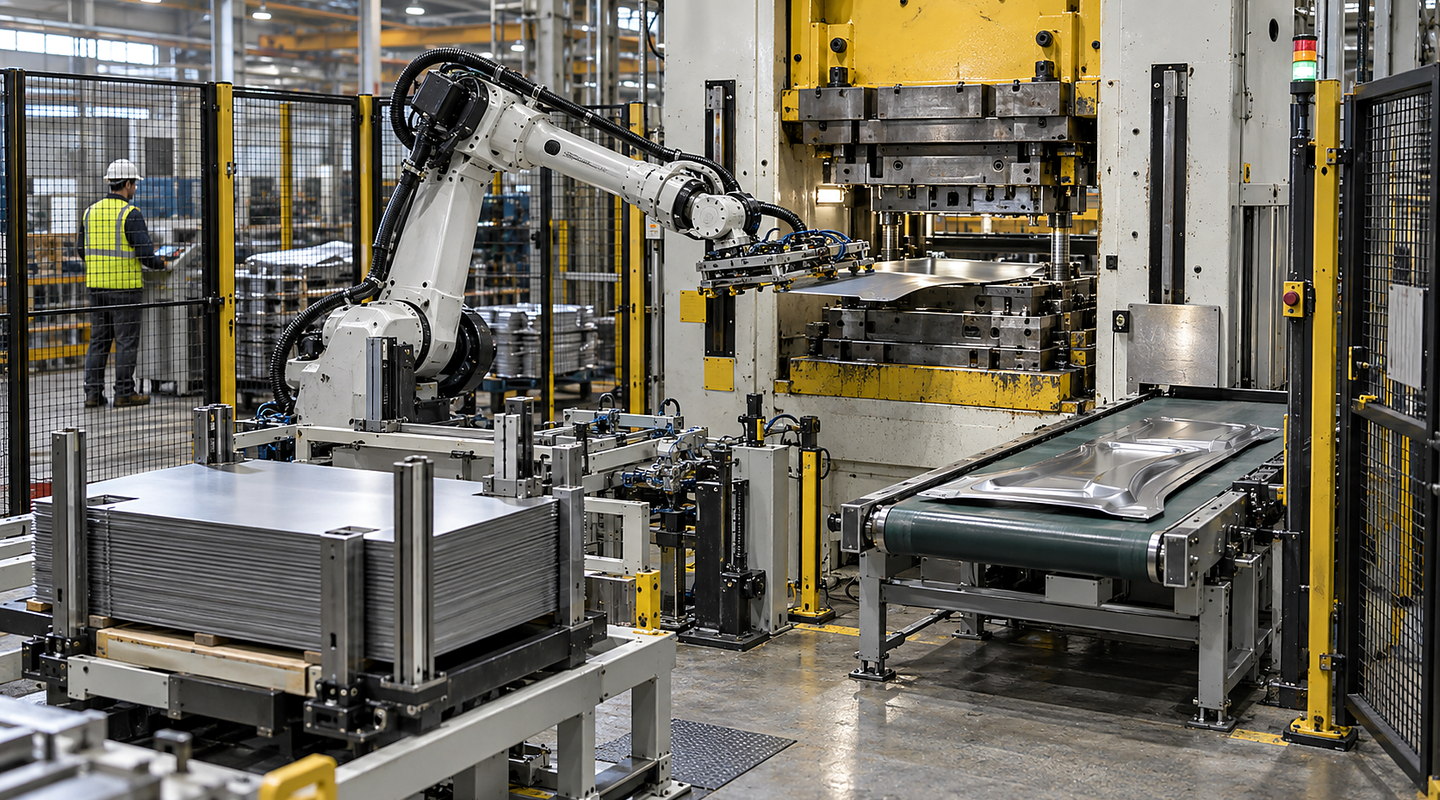
Prepare a bearing assembly brief with drawings, approved mounting method, loading surfaces, alignment/support, process signals and abnormal-result checks.
Provide bearing and mating-part drawings, revisions, fit requirements and the approved mounting method. Identify permitted loading surfaces, support and alignment, actual arrival conditions, the required process signals and finished-assembly checks, plus the response to incomplete or abnormal insertion.
Use the variant matrix and acceptance cases to separate confirmed requirements from trials still needed. Include representative parts, current process records and named owners for assembly approval, recovery and any permitted rework.
Plan robotic bearing assembly around your parts, process, cycle time, tooling, recovery and acceptance criteria. Discuss the highest-risk feasibility questions with Oxford Industrial Automation. A clear brief should state the operating range for part, product and process variation for robotic bearing insertion & assembly and your requirements for run-off criteria and production evidence.
Discuss your application
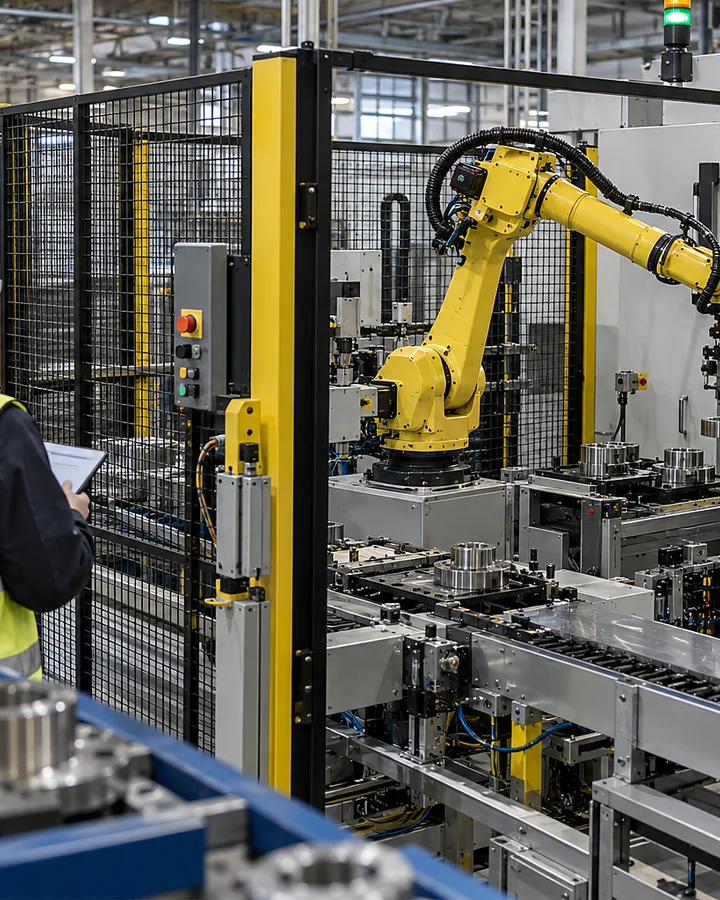
State the approved bearing mounting method, allowed loading/support surfaces and required finished result. Name the owners of assembly approval, process criteria, separate checks and abnormal-unit disposition.
Define bearing and mating-part variants, fits/tolerances, actual incoming conditions, tooling configurations and the complete operating sequence. Mark assumptions and untested combinations clearly.
Agree representative and abnormal cases, repetitions and expected results. Retain assembly-linked process evidence, its limits, required inspection/functional checks and authorised recovery/release decisions.
For robotic bearing assembly, use “shall” only for a requirement that can be demonstrated. Keep preferences, assumptions, provisional line connections and future options clearly separate.
Your final robotic bearing assembly scope must also account for operator access, recovery and changeover, run-off criteria and production evidence, current regulations and the conditions at your site.